dawood
The Claim
You’ll see this phrased a few ways:
- “If you receive more than $600 on Venmo/PayPal, the IRS will tax you.”
- “Any transfer over $600 gets reported.”
- “You’ll owe taxes on reimbursements over $600.”
These posts often spread through screenshots, short-form videos, and alarmist captions like “they’re coming for your side hustle” or “your rent split is now taxable.”
What We Found
As commonly stated, this claim is false or highly misleading.
The IRS issued guidance explaining that the One, Big, Beautiful Bill (OBBB) retroactively reinstated the pre-2021 federal reporting threshold: payment platforms generally are not required to file Form 1099-K unless the gross amount of reportable payment transactions exceeds $20,000 and the number of transactions exceeds 200.
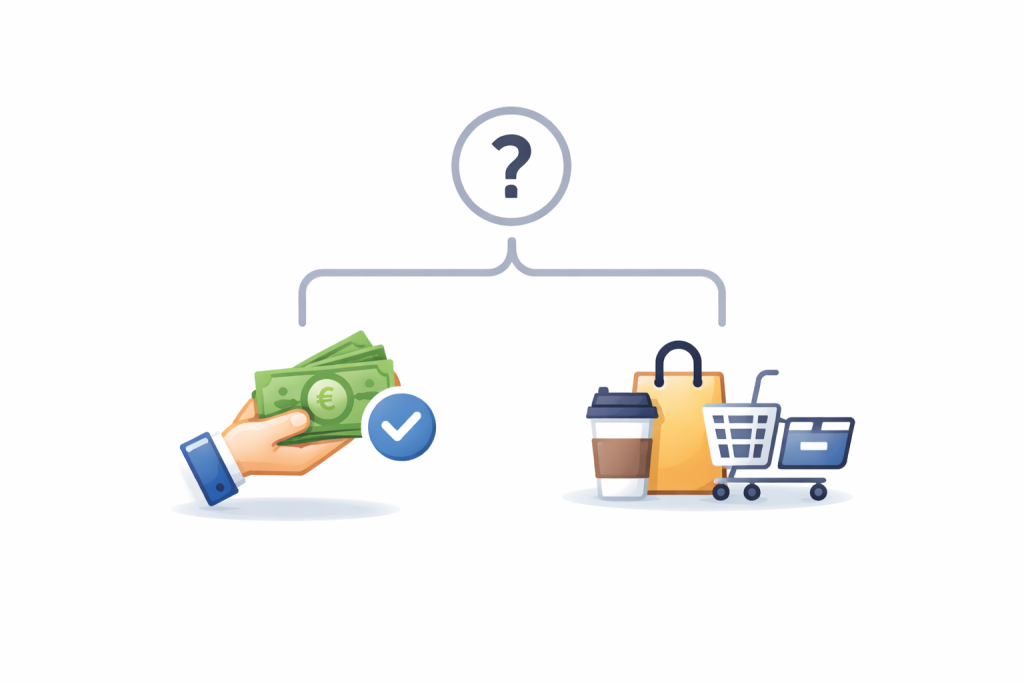
That federal threshold is the opposite of “anything over $600.”
What a 1099-K Actually Means (And What It Doesn’t)
A 1099-K is an information return used to report certain payments to help tax compliance. It is not a tax bill by itself, and it doesn’t automatically mean you did something wrong.
The bigger misunderstanding is this: people hear “reported” and translate it to “taxed.” But taxes depend on whether the money is taxable income, not whether a platform sends a form.
If you sell goods/services, you generally owe tax on profits according to applicable rules — even if you don’t receive a 1099-K. If you reimburse a friend for dinner or receive money for splitting utilities, that’s typically not “income” in the same way. (Individual circumstances vary, so treat this as general information, not personal tax advice.)
Where the $600 Myth Comes From
The $600 number didn’t appear out of thin air. Over the past few years, the U.S. has had shifting rules and delays around payment reporting thresholds. The constant changes created a perfect environment for viral oversimplifications.
But the important point for readers is what’s true now based on current IRS guidance: federal filing triggers are back to $20,000 + 200 transactions for reportable payments.
“But My Friend Got a Form Under $20,000”
This is where people get confused — and where the story gets more nuanced (and more useful).
Some payment platforms explicitly warn that:
- you may receive a 1099-K if you were subject to backup withholding, and
- some states have lower reporting thresholds, and the platform may report accordingly.
Stripe’s documentation similarly notes that while the IRS threshold is $20,000 and 200 transactions, state filing requirements might differ.
So if someone says, “I got a 1099-K below $20,000,” it may be because:
- their state has lower thresholds,
- they hit a different platform reporting trigger (like backup withholding),
- their transactions were categorized as goods/services, or
- they’re mixing up different forms or years.
What Counts as “Goods and Services” vs Personal Transfers
Most platforms distinguish between:
- Goods/services payments (sales, freelancing, gig work)
- Personal transfers (splitting rent, birthday gifts, paying a friend back)
The reporting rules in question relate to payments received for goods or services through a payment settlement entity — not your roommate paying you back for groceries. The IRS describes Form 1099-K as reporting certain payments, triggered when payments are received for goods or services through a payment settlement entity.
But—and this is important—people still accidentally mislabel transfers. If users mark personal payments as “goods and services” (or a platform defaults that way in certain flows), that can make reporting messier.
The Practical Takeaway: Don’t Panic, Document

If you regularly receive money via apps for side gigs, reselling, freelancing, or marketplace sales, the best “anti-stress” move is boring but powerful: basic recordkeeping.
Keep:
- a simple spreadsheet of sales and expenses,
- receipts for costs (shipping, supplies, fees),
- and notes on refunds/returns.
If you’re purely doing personal reimbursements, use the app’s features that clearly label payments as personal when available.
How to Spot Misleading Posts About This
Most viral “$600 rule” videos share these red flags:
- no direct reference to IRS guidance
- no mention of the $20,000 + 200 federal threshold
- they claim the IRS will “tax” transfers (reporting ≠ taxation)
- they ignore state variations and exceptions
If a post’s main goal is to generate outrage, it will often collapse all nuance into one scary number.
Verdict
False (as stated in viral form).
Current IRS guidance says federal 1099-K filing is not required unless payments exceed $20,000 and 200 transactions for reportable payments. Some state thresholds can differ, but that does not make the blanket “everything over $600 is taxed/reported” claim true.