dawood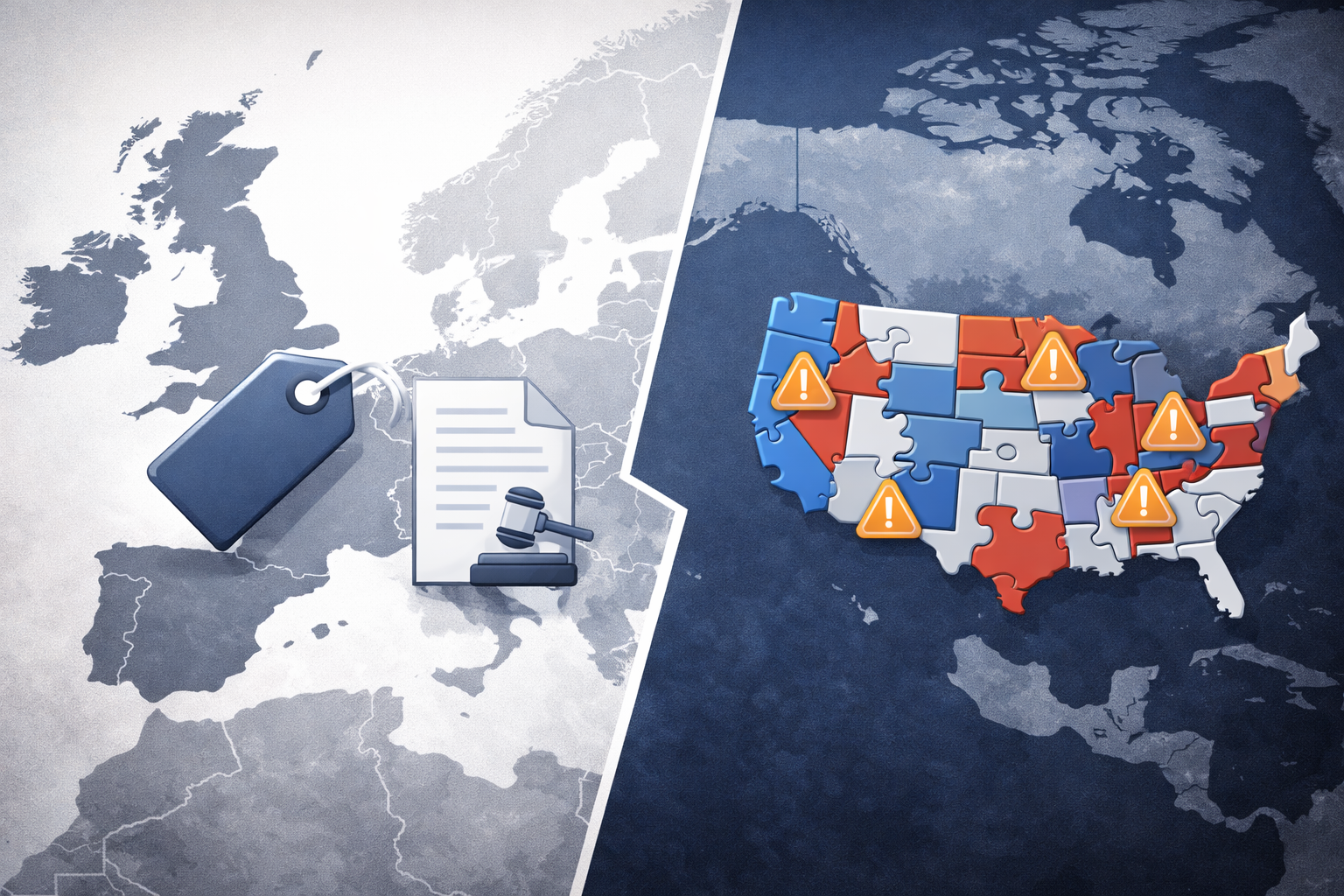
Across the Atlantic, governments are converging on a similar conclusion: deepfakes are no longer a future problem. But they are taking different routes to address it, Europe through a more centralized transparency and platform-risk regime, and the United States through a rapidly expanding patchwork of state laws plus targeted federal action.
Europe: transparency obligations are becoming a legal requirement, not a courtesy
The EU AI Act’s transparency obligations are moving from principle to practice. The European Commission’s “Shaping Europe’s digital future” portal outlines a Code of Practice process designed to support compliance with transparency obligations for AI-generated and AI-manipulated content, including deepfakes. The timeline published there shows iterative drafts and working group cycles through 2026.
The Commission’s materials also make the core intention explicit: transparency rules aim to reduce deception, impersonation, and misinformation, and help people know when they are interacting with AI or viewing AI-generated content.
If that sounds abstract, here’s what it implies in reality:
- platforms and deployers will face expectations around labeling and disclosure
- content provenance tools and “content credentials” become more relevant
- compliance becomes something organizations operationalize, not merely announce
Europe is also building a parallel track through the Digital Services Act (DSA). The DSA requires large platforms to assess and mitigate systemic risks, shifting enforcement conversations away from “remove this post” toward “prove your systems reduce harm.”
This matters because deepfakes rarely travel alone. They ride recommender systems, amplified engagement loops, and algorithmic targeting.
The UK: fast takedowns and a tougher posture on synthetic sexual abuse
In the UK, the political signal is tightening. In February 2026, The Guardian reported that Prime Minister Keir Starmer said tech firms must remove deepfake and non-consensual intimate images within 48 hours of being flagged, with major penalties possible for failure. The report describes enforcement through Ofcom and frames the issue as shifting the burden away from victims and toward platforms and perpetrators.
That approach reflects a broader European trend: the harm category of synthetic intimate imagery is being treated as urgent, and the response is moving toward strict timelines and regulatory leverage.
The U.S.: one federal law, dozens of state approaches
America’s legal landscape is moving quickly too, but in a different shape.
At the federal level, the Associated Press reported that the TAKE IT DOWN Act was signed into law in April 2025, targeting non-consensual intimate imagery including AI-generated deepfakes and requiring platforms to remove such content within 48 hours of notification from a victim. That is a major step: it builds a nationwide framework for a specific harm category.
But election-related deepfake rules remain largely state-driven. Ballotpedia’s tracker notes that as of early 2026, many states have enacted laws regulating deepfakes in political communications, often within a certain window before elections and with varying disclosure requirements and exceptions.
California, for example, has publicly described measures aimed at deceptive election content and platform accountability, including requirements that affect how certain materially deceptive election-related content is treated during defined election periods. New York has also adopted legislation relating to AI-deceptive practices in elections and the obligations surrounding deceptive digital images, video, or voice in political communications.
The result is a compliance reality that looks like this:
- intimate deepfake harms: increasingly covered through federal and state action
- election deepfakes: often a state-by-state matrix
- enforcement: shaped by free speech constraints, technical definitions, and platform policies
The hard part: defining “deceptive” without criminalizing satire or legitimate journalism

Deepfake regulation always runs into a core tension: the line between harmful deception and protected speech.
The TAKE IT DOWN Act discussion itself includes civil liberties concerns. The AP coverage notes that some free speech advocates expressed worries about broad language and the risk of over-removal, especially when takedown timelines are tight and systems depend on automated detection.
This is not a side issue. It’s the central design challenge. If laws push platforms toward “remove first, ask later,” legitimate content including reporting, commentary, or documentary evidence that can get caught in the net.
Europe’s approach attempts to avoid some of this by emphasizing transparency obligations and systemic risk mitigation rather than banning synthetic media outright. But even transparency rules can backfire if they rely on fragile metadata that gets stripped when content is reposted.
Why labeling alone won’t solve it
A growing skepticism has emerged around whether the biggest platforms are truly implementing provenance and labeling at meaningful scale.
A February 2026 analysis in The Verge argues that while major tech companies publicly champion provenance systems like C2PA and other labeling tools, implementation is inconsistent and metadata is frequently removed in the real-world social sharing pipeline. The piece suggests the industry has incentives to look responsible while still flooding the ecosystem with synthetic tools and content.
This doesn’t mean labeling is useless. It means labeling is not a standalone fix. In practice, labels work best when:
- the label is hard to strip
- the viewer can actually see it clearly
- the platform applies it consistently
- the ecosystem interoperates rather than fragments
Deepfakes are forcing a new “trust architecture”
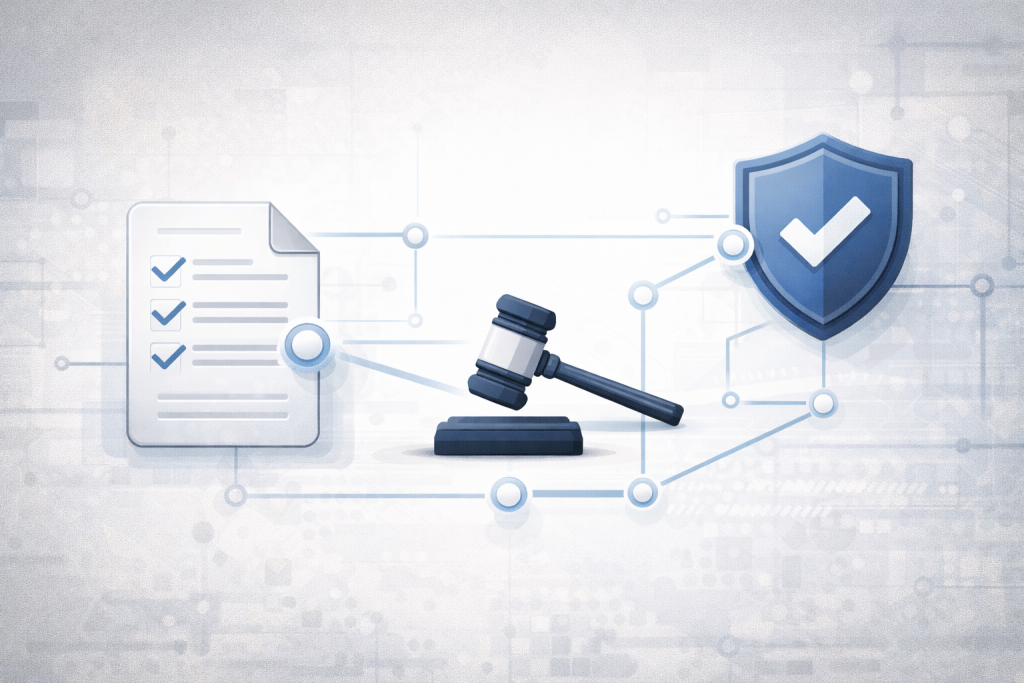
The deeper story is that policy is slowly shifting from content to infrastructure.
When deepfakes become cheap, trust becomes expensive. Systems have to earn it.
That’s why Europe’s dual strategy matters: combine transparency obligations for synthetic content with platform-level duties to assess and mitigate systemic risks. Meanwhile, America’s approach reflects constitutional constraints and federalism: targeted federal laws for specific harms plus state-level experimentation for elections.
The two approaches will increasingly collide not only in principle, but in the operations of global platforms that have to comply in both markets.
What to watch in the next 6–12 months
1) Whether EU transparency rules become enforceable standards or remain “best effort.”
Codes of practice can either become practical compliance playbooks or a checkbox exercise.
2) Whether takedown regimes create over-removal problems.
Fast timelines can help victims, but they can also reward abuse of reporting systems and trigger collateral censorship.
3) Whether platforms standardize provenance tools or keep fragmented labels.
If labeling differs across Instagram, YouTube, TikTok, X, and others, the net effect is confusion exactly what disinformation thrives on.
The bottom line
Europe is moving toward mandatory transparency and systemic risk accountability. America is moving through targeted federal law and a growing patchwork of state rules. Both are responding to the same reality: synthetic media is no longer an edge case. It is now a normal ingredient in fraud, harassment, and political persuasion.
Whether any of these approaches succeed will depend less on the headlines and more on implementation on how rules become tools, how platforms build enforcement that doesn’t punish truth, and how societies rebuild reliable verification in a world where “seeing” is no longer believing.