dawood
The Claim
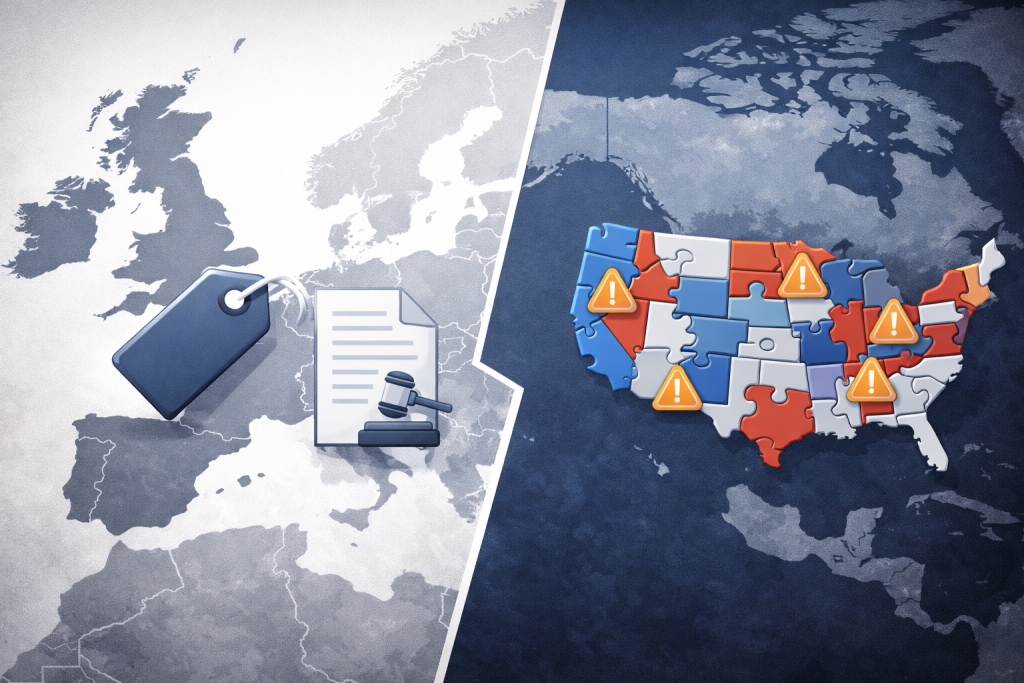
Posts circulating on X, TikTok, and privacy forums claim the European Union is about to begin scanning all private messages “immediately” (sometimes even “before they’re sent”), often framing it as a last-minute decision that will roll out overnight.
What We Found
This claim is misleading.
There is a real EU legislative proposal aimed at preventing and combating online child sexual abuse material (CSAM). And yes — the debate has included controversial ideas about detection and scanning that critics argue could undermine privacy and encryption. But viral posts typically skip the key reality: the law is not a magic switch, and the final shape of any rules is still subject to negotiations, amendments, safeguards, and legal constraints.
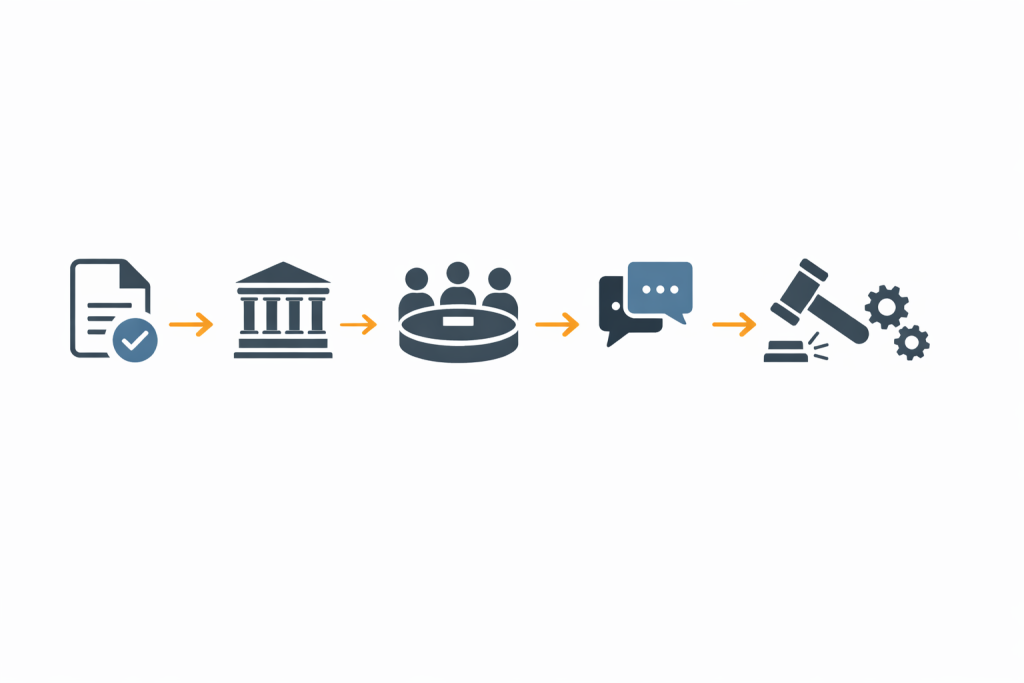
A major reason the viral claim is wrong is timing and process: EU legislation moves through a multi-step pipeline (Commission proposal → Parliament position → Council position → trilogue negotiations → final text → implementation). The “scan everything tomorrow” framing ignores that this is a long-running, heavily contested legislative topic, not a surprise rollout. Euronews’ own verification reporting notes that fears of immediate universal scanning are premature because the proposal is still being debated and may change before anything is enforced.
What the Proposal Actually Is
The underlying policy fight often called “Chat Control” traces to a European Commission proposal first introduced in 2022: a Regulation to prevent and combat child sexual abuse. In the text itself, the proposal describes a system involving obligations on providers and a framework for “targeted detection orders,” with conditions and safeguards.
That phrase — “targeted detection orders” — is part of why people argue online. Critics read “detection” and hear “mass surveillance.” Supporters point to the child-protection goal and claim oversight mechanisms can make detection narrow and lawful. Both sides talk past each other, and viral content tends to flatten the issue into a single terrifying headline.
“Scanning Your Messages” vs. “Detection Orders”
Here’s the key: the loudest viral posts usually talk as if the EU will force private platforms to scan all messages for all people, all the time.
But verification reporting from Euronews emphasizes that even if a compromise is reached, “detection orders” would require case-by-case authorization by courts or independent authorities and would be time-limited, meaning there isn’t a plan to suddenly scan all private communications overnight.
That does not mean there’s nothing to worry about. It means the “tomorrow everyone is scanned” claim is overstated and stripped of context.
Why the Debate Is Still Intense
The fight isn’t just about one bill — it’s about a tension that keeps showing up in modern governance:
- How do you protect children online without weakening secure communications?
- Can detection be made narrow enough to avoid turning private messaging into monitoring infrastructure?
- What happens when “voluntary” scanning becomes a de facto expectation?

Privacy watchdogs and EU institutions have raised serious concerns about proportionality and fundamental rights in this space. For example, the European Data Protection Board (EDPB) acknowledged the importance of fighting CSAM online, but warned that proposals must fully respect privacy and data protection and flagged risks related to general and indiscriminate monitoring.
Where Negotiations Have Been Heading
EU policy doesn’t evolve in a straight line. It mutates.
That’s part of why viral posts get traction: if someone saw a scary earlier version, they repost it later as though it’s the final text. But positions have shifted repeatedly.
One important point surfaced by digital rights advocates: the Council of the EU has wrestled with positions for months, and some iterations were seen as more intrusive than others. EFF notes that earlier proposals involved scanning and detection across services (including private messaging apps), while later developments removed certain mandatory scanning requirements — but left other controversial pathways and obligations in play.
In other words: the story is not “it’s happening tomorrow.” The story is a messy legislative conflict where the final compromise remains uncertain and where safeguards, scope, and enforcement details matter massively.

How Misinformation Happens Here
This topic is practically engineered for misinformation because it has:
- High emotion (child safety + privacy)
- Dense legal language most people don’t read
- Many versions of proposals floating around
- Screenshot culture (cropped headlines, leaked memos, out-of-context quotes)
A common pattern:
- Someone shares an alarming interpretation of an older draft
- It circulates as “breaking news”
- People assume implementation is immediate
- Later clarifications don’t travel as far
What to Do If You See This Claim
If a post says “EU will scan your messages tomorrow,” verify these three things:
- What stage is the law in?
Is it still being negotiated? Has it passed trilogue? Is there an implementation timeline? - Does it cite the actual text?
If it doesn’t link to the official proposal or a credible explainer that quotes it, treat it as heat, not light. - Does it describe safeguards?
Even critics acknowledge the debate includes guardrails. Posts that omit them are often framing for outrage.
Verdict
Misleading.
A real EU proposal exists and the privacy debate is legitimate, but the claim that the EU is about to start scanning all messages “tomorrow” is not supported by how the law works or by verified reporting describing current legislative status and safeguards.